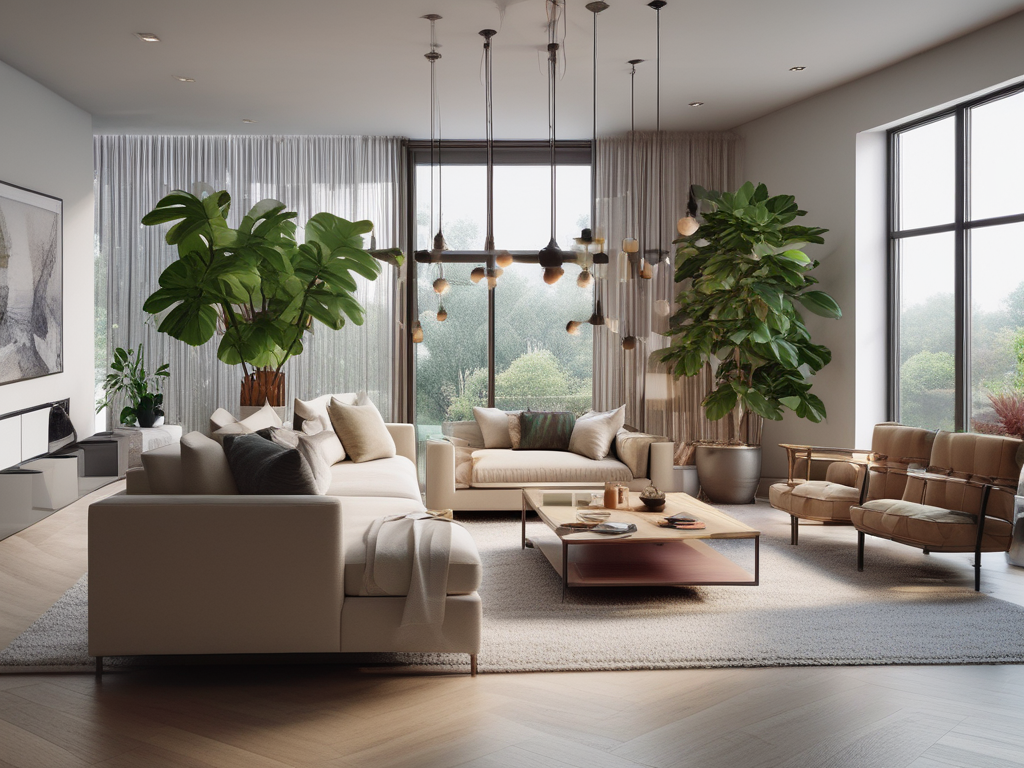
Our homes are our castles — our slice of the world where we get to decorate, design, let in who we want, and shape into a space we like to inhabit. They’re also ours to green up as we please — to use as our own personal Ground Zero in the battle against climate change.
It would be super fun to retrofit our whole home at once, to turn it into a net zero oasis from a solar roof to geothermal heating. But — like most other people on the planet — we can’t afford to make every major change at once.
But we do make changes one at a time — like when we need new appliances or when my husband gets a creative urge to renovate a bathroom.
Here are some sustainable steps, both large and small, to green up your home as you’re able to. Even if you don’t own your home (and won’t be renovating or buying appliances), you can still have a lot of fun with plants and other decorating choices.
- Buy Some House Plants
- Cool your home, purify the air, and draw carbon out of the atmosphere. They also look nice.
- Plant a Garden
- Beautify the neighborhood, provide a home for pollinators, and draw carbon out of the atmosphere.
- Bonus points for every native plant you include.
- Buy Energy-Efficient Appliances
- Replacing a fridge or washing machine? Choose ENERGY STAR-rated appliances to lower your hydro bill and environmental impact.
- Build With Sustainable Materials
- Renovating? Choose reclaimed wood, bamboo, natural stone, or recycled/repurposed materials to create your new space.
- My husband built our kitchen counter out of an abandoned snooker table slate. We love the look, and it’s a fun conversation piece when someone sees a pocket hole and asks why it’s there.
- He’s redoing our master bathroom now, and he chose a rustic porcelain tile for the walls and floor that both looks and feels lovely, and is a natural material that’s resource-efficient in the production process, plus lasts a long time with minimal maintenance.
- You don’t need to break the bank to get great stuff. If you shop end of the line clearance items, you can often get amazing deals on high end tiles, flooring, and more. An even more sustainable option is a place like Habitat for Humanity’s Restore — a beautiful example of a circular economy in motion.
- Use Creative Ventilation
- Before you turn on the A/C, try to get your windows working for you. My husband always seems to know which windows to open (usually one in the basement and one on the top floor) to create a cooling air flow through the house.
- Don’t have A/C? How about a vented skylight? Heat rises — why not give it a way to rise right out of your house? When we added a screen to one of our skylights, our house cooled down to a comfortable level right away.
- Install a Heat Pump
- They both heat and cool for a fraction of the energy of traditional heating and cooling systems.
- Choose Your New Roof Carefully: When we bought our house, the roof was leaking and needed imminent replacement. (Good thing we visited on a rainy day so we knew this before we put in an offer!) Some good options are:
- Green roof: Excellent insulation, great for biodiversity. I’d recommend this for a flat roof in the city for sure — but it wasn’t practical for us, with a steep roof on a steep slope that would have been treacherous to maintain.
- Reclaimed slate or clay: a great balance of natural and durable materials. They also look lovely.
- Metal: lasts a long time (an average of 40-70 years), and fully recyclable at the end of their lifespan. This was our choice, and thirteen years later, we’re still happy with it. My favorite feature is the way the rain sounds against the metal.
- Add Solar Panels
- We haven’t done this (yet) but we chose a roof that’s solar panel-ready — meaning it’s an easy install if and when we do it. Depending where you live, solar panels can pay for themselves within 8-20 years. (Or sooner if you’re fixing up a house to sell it.)
- Use Efficient Lighting
- Do they even still make those old light bulbs? When yours burn out, replace incandescent bulbs with LED or CFL bulbs — they use less energy and last longer.
- Having lights that turn on with motion sensors is both a luxurious touch (think guest bathroom lights at night) and a good way to make sure they get turned off when the motion stops.
- Choose Eco-friendly Rugs
- Replacing a carpet? Avoid synthetic materials — they create microplastic dust, and often have a toxic “anti-stain” coating. Instead, choose carpets made from natural, renewable, biodegradable fibers, like wool, hemp, and bamboo.
- Install Low-Flow Fixtures
- When it’s time for a new shower head, faucet, or toilet, choose a low-flow option to reduce water and heating energy.
- Rain Water Collection
- Install a rain barrel to use the water later, for watering your garden or flushing your toilets.
- Upgrade Insulation
- Whether you’re insulating walls, attics, and floors, or sealing gaps and cracks around windows and doors, it all helps reduce the energy it takes to heat or cool your home.
- Time for new windows or doors? Consider double or triple-glazed windows and energy-efficient doors to minimize heat loss and gain.
Have you done something cool to green up your home? Would you like to? Leave a message below! This is an evolving list, and I’d love to add more ideas.



 Sustainable Steps
Leave a comment