Let’s face it: We’ve damaged our planet, and it’s time to make amends.
Global temperatures have climbed too high, sea levels are rising to match it, extreme weather is now the norm, and forest fires are making summer a season of smoky air and heat warnings. If we keep on like we are, we’ll have nowhere to live.
To get onto a good track, we need major, systematic changes. The model I love most is the United Nations Sustainable Development Goals — 17 interconnected global objectives to achieve a sustainable world by 2030. They show us what we need to address today to create an inclusive, resilient, and sustainable future.
It’s big. It’s bold. We can’t do this alone with our compost bins and cloth shopping bags. We need politicians worldwide to get on board.
A few politicians are already working hard for the planet. Al Gore woke a lot of us up with The Inconvenient Truth. Elizabeth May in Canada is brilliant at working across party lines to make positive change happen. Marina Silva has done amazing work in Brazil protecting the Amazon rainforest. Alexandria Ocasio-Cortez is a fiery, feisty — and effective — voice for the new generation in America.
Most leaders, though, don’t fall into this category. Many politicians are great at talking the talk, but have no plans to seek anything in their 4-year-term except re-election. Some don’t even pretend to care — but I think they’re moving more and more toward the fringe at the end of the spectrum. And then there are the politicians who got into the job for the right reasons, but are stuck by the ineptness of the system. These politicians would like to be on the right side of history — they agree that a science-based approach to a sustainable world is a good solution for everyone — but don’t know how.
These are the people we want to reach. Our challenge is to show, with evidence-based reasoning, the problem, the solution, and how they can use their time in office to be part of it.
This may feel daunting, but I named this blog Sustainable Steps (not Sustainable Leaps) for a reason. If we take it one step at a time, here are some ways we can get through to them:
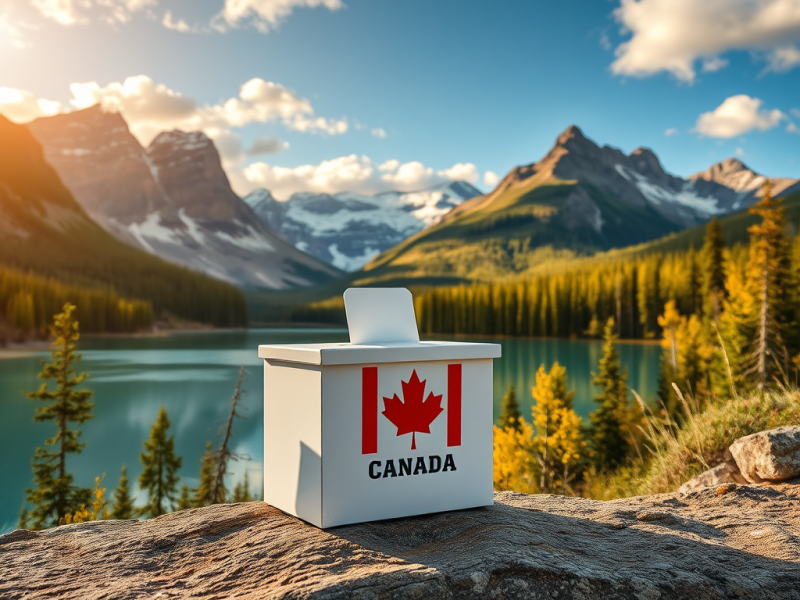
- Vote Wisely: Research candidates’ — and their parties’ — positions on environmental issues. Support those who have strong commitments to addressing climate change. Hint: A candidate will often greenwash their platform at an all candidates debate if they read the room as wanting that. That’s great that they know the right words to say, because maybe one day, that will translate into action — but once in office, most parties (including Canada’s Conservatives, Liberals, and NDP) bind their members to vote along party lines. The only way to know how someone will represent you in office is to read their party leader’s official policy on climate action.
- Volunteer for a political candidate who gets it. Wouldn’t it be a dream if you didn’t have to petition local government because they already cared about doing the right thing?
- Write a letter: Write to or email your representative — either a personal message, or an open letter where you copy local press for more visibility.
- Use Social Media: It’s harder in Canada now that we’re not allowed to post news stories (!), but wherever you can, share information about climate issues and policies. On Twitter, tag politicians and use hashtags to get their attention and engage with broader conversations.
- Join a group — Numbers talk, and decision-makers are more likely to act when they see widespread community backing. If there’s a local environmental group you like the energy of, show up at a meeting, or at protests or demonstrations they organize. You’ll help grow the movement, and you may get some great new ideas (and friends) to take away. In my part of the world, My Sea to Sky is a smart, inclusive group whose voice resonates with me.
- Build Community: If you don’t already have a local group you like, start one. Work with neighbors, local businesses, and community groups to build a grassroots climate initiative.
- Engage in Local Government: Attend city council meetings or participate in local environmental boards. Local governments often have more immediate influence on community policies.
- Share Success Stories: Highlight successful climate initiatives from other regions. Showing that change is possible can help persuade politicians to adopt similar measures.
- Run for Office: Maybe there’s no political candidate in your area you feel you can throw your support behind. If you have the time, energy, and public speaking skills, why not run yourself? Be the change you wish to see in the world.



 Sustainable Steps