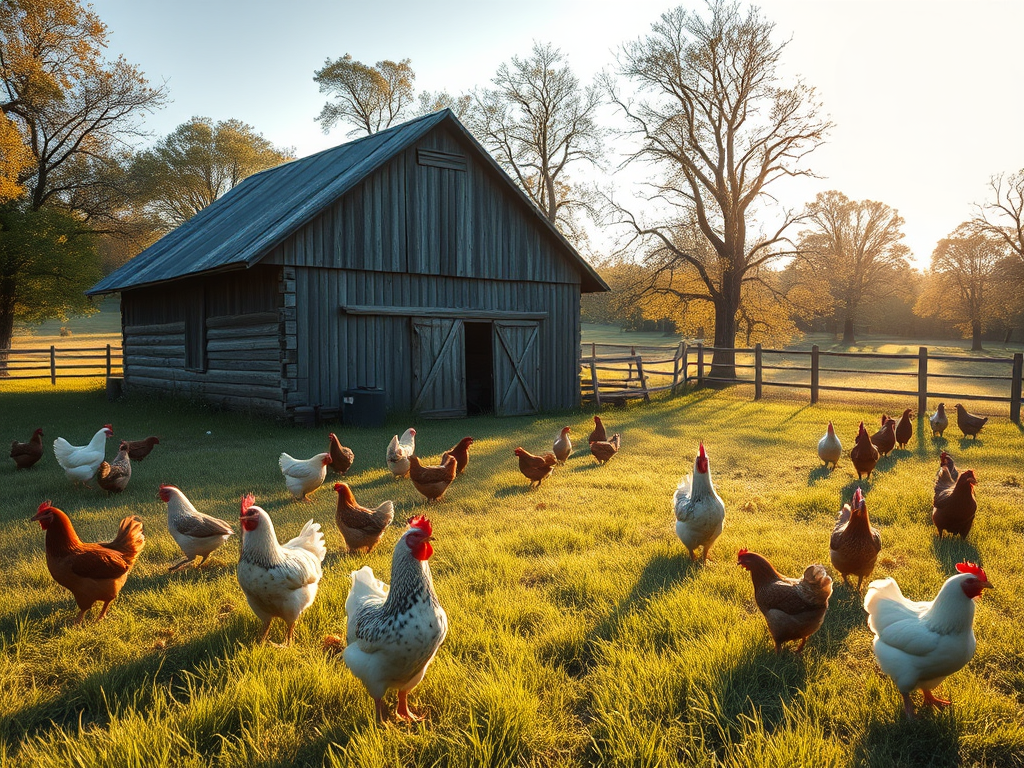
Does anyone else’s head swim in the egg aisle? With a hundred different labels like cage-free, free-run, and free-range, it’s tricky to understand which of these distinctions matter, and what each means for our health, the planet, and the welfare of chickens.
If budget is your main concern, I think you’re safe with conventional eggs. If you want to buy the best, head straight for the organic pasture-raised eggs. But if you’re curious about which distinctions mean what, like I was until researching this post, read on:
Understanding Egg Labels
- Conventional
- Meaning: Caged chickens, either crowded together in a very confined area, or caged alone in as small a cage as possible.
- Hen Welfare: They’re not living their best lives; it’s all about maximum egg production per dollar spent.
- Human Health: All eggs sold in Canada and the United States are supposed to be hormone and antibiotic free. Farmers are allowed to treat their chickens with antibiotics if they’re sick, but there’s a withdrawal period which is meant to ensure that eggs sold won’t be contaminated. Sometimes, trace amounts do find their way into the eggs, but I’d call this a minor concern. If budget was my primary concern when egg shopping, I’d be okay with feeding these eggs to my family.
- Environment: Conventional chicken feed is composed largely of corn and soy — both crops laden with harmful GMOs. While most studies have shown that these GMOs don’t pass through to the eggs, it’s a serious health problem for our planet when GM crops are grown.
- Cage-Free
- Meaning: Cage-free eggs come from hens that are not kept in cages. Instead, they are usually raised in an indoor space where they have more room to move around.
- Hen Welfare: Hens have more freedom to roam, be able to scratch, perch, and nest, and unlimited access to fresh food and water. A better option than conventional caged eggs, but still not the ideal living conditions for hens.
- Human Health: Pretty similar to conventional. Maybe a minor upgrade but no significant evidence to show it.
- Environment: Same as conventional. The main issue I have is the GMOs in the feed.
- Free-Run
- Meaning: These guys get the freedom to run the entire barn floor. They don’t have to be given outdoor access, but they get more exercise than their cage-free cousins.
- Hen Welfare: A more humane option compared to caged hens, but still lacks outdoor exposure.
- Human Health: A tiny step up, but pretty similar to conventional and cage-free.
- Environment: Ditto conventional and cage-free.
- Free-Range
- Meaning: Free-range eggs come from hens that have access to the outdoors, in addition to being raised in an indoor environment.
- Hen Welfare: Much better for hen welfare, as these hens can engage in natural behaviors like pecking and foraging outside.
- Human Health: Here’s where we take our first big leap up from conventional. Free-range eggs are typically richer in nutrients (such as Omega-3s) due to the hens’ varied diet.
- Environment: Access to the outdoors means feed consumption (full of lousy GMOs) goes down — because the hens are able to forage for wild bugs and grasses. They also provide natural pest control (as opposed to chemical pesticides) when they eat the bugs.
- Pasture-Raised
- Meaning: Pasture-raised eggs come from hens that have significant access to pasture where they can roam and forage freely.
- Hen Welfare: The gold standard for hen welfare. These hens enjoy an outdoor lifestyle with access to live bugs in the wild — part of their natural omnivorous diet.
- Human Health: Eggs from pasture-raised hens can be healthier for consumers and have a lower environmental impact due to better land management practices. (They’re also the most delicious.)
- Environment: Because they’re outdoors even more than the free-range hens, pasture-raised hens both consume less factory-produced feed, and provide more natural pest control.
- Organic
- Meaning: Organic eggs must come from hens that are fed organic feed, and housed according to organic farming standards.
- Hen Welfare: Organic and cage-free/free-range often overlap, providing better living conditions and dietary freedom.
- Human Health
- Environment: In addition to the positive effects of pasture-raised egg farming, organic farming uses no synthetic fertilizers. This has a net positive effect both in terms of carbon footprint (synthetic fertilizers are very energy-intensive to produce) and because the soil is healthier and chemicals aren’t being washed into the surrounding environment. There are also no GMOs in the animal feed — a big win for the planet.
Which is Healthier and Better for the Planet?
- Healthier Options: Typically, free-range and pasture-raised eggs offer the best nutritional profiles. They often contain more vitamins, Omega-3 fatty acids, and are lower in cholesterol compared to conventional eggs.
- Planet-Friendly Choices: Hens raised in pasture-raised or organic environments tend to have a smaller carbon footprint, as these farming practices often focus on sustainability and ethical treatment of animals.
Which Means the Chickens are Living Their Best Lives?
- Pasture-Raised eggs are considered the best option for hen welfare. The access to outdoor pastures allows hens to indulge in natural foraging instincts, promoting their overall health and well-being.
- Free-Range is also a good option, as it provides outdoor access, but be sure to look for certifications that ensure they have enough space and time outdoors for optimal health.
Conclusion
If you’re on a tight budget, you can trust regular eggs to be a healthy choice for your family, free of GMOs, hormones, and antibiotics. If you’re going for the most delicious (and humane), choose pasture-raised. If you want the best of the best of the best for the planet and your omelette, go for organic pasture-raised.



 Sustainable Steps
Leave a comment