
Halloween has typically been one of my biggest sustainable fails. Between the packaged treats and polyester costumes, I’m really in no position to be giving anyone advice about anything.
But this year, maybe we can tweak that.
My sustainable step for this week is to do better this Halloween, to get into the spooky spirit without epic failing on the environment.
Let’s start with the hardest one:
1. Candy
In past years, I’ve always defaulted to what kids tell me is the “good stuff” — chocolate bars.
Problem is, the most popular brands are also chock full of the bad stuff — chemicals and GMOs and ingredients that suck for both human health and the environment. Last year, I was fine to turn a blind eye to all this stuff. This year, armed with all the new research I’ve been doing for this blog, I cannot in good conscience buy this stuff or feed it to our neighborhood’s children.
But I don’t want to be a Halloween humbug either. It’s a frightfully fun holiday, and I enjoy its spirit a lot. So I looked into treats that are both crowd-pleasers and ecologically less tragic.
If you want to create a variety pack, Natura Market has an online collection of spooky snacks with safe ingredients. But depending on how many kids you’re feeding, those options can get expensive! You can be a savvy shopper nearly anywhere — from Costco to London Drugs — as long as you’re willing to take time to read the ingredients (or look for the organic or non-GMO logos).
Some brands I like:
- YumEarth — They have a wide range of organic, non-GMO candy options, some specifically marketed for Halloween. They’re also allergy-friendly. I find these very expensive per treat — I linked to the least expensive site I could find — but the quality is high.
- Unreal — fair trade chocolate and non-GMO ingredients. Their peanut butter cups and chocolate coconut bars are both excellent.
- Alter Eco — fair trade chocolate with a bunch of cool sustainable Halloween ideas on their website
- Hardbite potato chips — I found these at London Drugs and picked up 2 large boxes. They’re non-GMO, made from simple, healthy ingredients, AND budget-friendly. My daughter says they’re not as good as Unreal chocolate, so we might just add some of those to the mix too.
Ingredients to Avoid
My number one enemy is corn — high fructose corn syrup, or any other corn by-products not listed as organic or non-GMO. This is because most corn and byproducts contain glyphosate — a chemical that’s banned in several places, and has been positively linked to more adverse health effects than I’m comfortable with. (Like hormone disruption and increased cancer risks.) But the non-GMO and organic labels remove that risk, making corn much safer to eat.
Other chemicals to avoid include titanium dioxide (linked to hormone disruption, and considered unsafe in Europe), and synthetic dyes (Red No. 3, Red No. 40, Yellow No. 5, and more). This article from EWG goes into more depth about how and why these ingredients can harm us.
And then there’s the planet — palm oil (unless listed as RSPO certified sustainable) is a major contributor to deforestation and habitat loss — and it’s in more of our candy bars and store bought snacks than not.
Avoiding these ingredients can send the message to candy manufacturers that it’s time to switch it up — to tempt us with treats that are only decadent because of the (organic) sugar.
Recycle the Wrappers
While it’s hard to get away from individually-wrapped treats, you can spread the word around your ‘hood that most Halloween candy wrappers are recyclable with soft plastics. In Toronto, these are picked up curbside, and in BC, London Drugs accepts soft plastic (including crinkly candy bar wrappers) at their recycling bin at the front of the store.
2. Costumes That Conserve
I’ve already failed on this front for this year. My daughter LOVES Spirit Halloween, and it’s a big treat for her to have a brand new (“not sustainable, Mom!”) costume each year. And I get it — it’s fun to break the rules sometimes. But really, couldn’t I be teaching her better values by starting our costume hunt in more sustainable places first?
Next year, we’ll try the following options before we set foot in Spirit Halloween:
- Thrift It: Check out local thrift stores for hidden gems. My daughter loves thrift stores (I say yes to way more things there than I do in regular stores, both for the eco-footprint and for the prices) so it won’t be a hard sell for me to suggest we start there when we’re Halloween shopping next year.
- DIY Costumes: If you can sew, amazing. I can’t. But we can raid our closets the same way we’d raid a thrift store. Maybe you already have have the foundation for a costume where all you need to buy is a cape or a hat or some scary makeup to spook it up for Halloween. (This is what I normally do for myself — I just find something black and accessorize.)
- Circular Economy: We live in a great community for hand-me-downs, so we can almost always find a good home for costumes once my daughter has outgrown them. (It’s the buying brand new that I need to think twice about.)
- Shop Etsy: They have a wide range of sellers who say they offer sustainable costumes. I’m not sure how to vet them (to make sure they’re as sustainable as they say they are) but I’m sure it’s miles better than Spirit Halloween.
- Shop sustainable clothing brands: Next year, I’ll check out the sustainable clothing brands I normally shop with, and see if they have a Halloween section. I’m guessing that the more of us who start voting with our wallets year after year, the more creatively spooky these sustainable companies will become.
3. Eco-Friendly Decorations
- Reusable Decorations: Invest in decorations that you can use year after year. Think fabric bunting or fabric pumpkins instead of plastic. We have a blow up ghost we love — not at all sustainable materials, so I wouldn’t buy it today, but it’s been scaring our friends for several years running. We also have a string of plastic skeleton lights that we put up on our outdoor staircase year after year.
- Get Crafty With Nature: Look for ways to turn pinecones, crooked branches, and dried leaves into spooky decorations. (We love our pinecone spiders, and often hide them in our foliage close to Halloween.) I also love this idea for a succulent pumpkin.
- Cotton Cobwebs: Instead of buying the disposable plastic kind, stretch out cotton balls or toilet paper to deck out your doorway with compostable cobwebs.
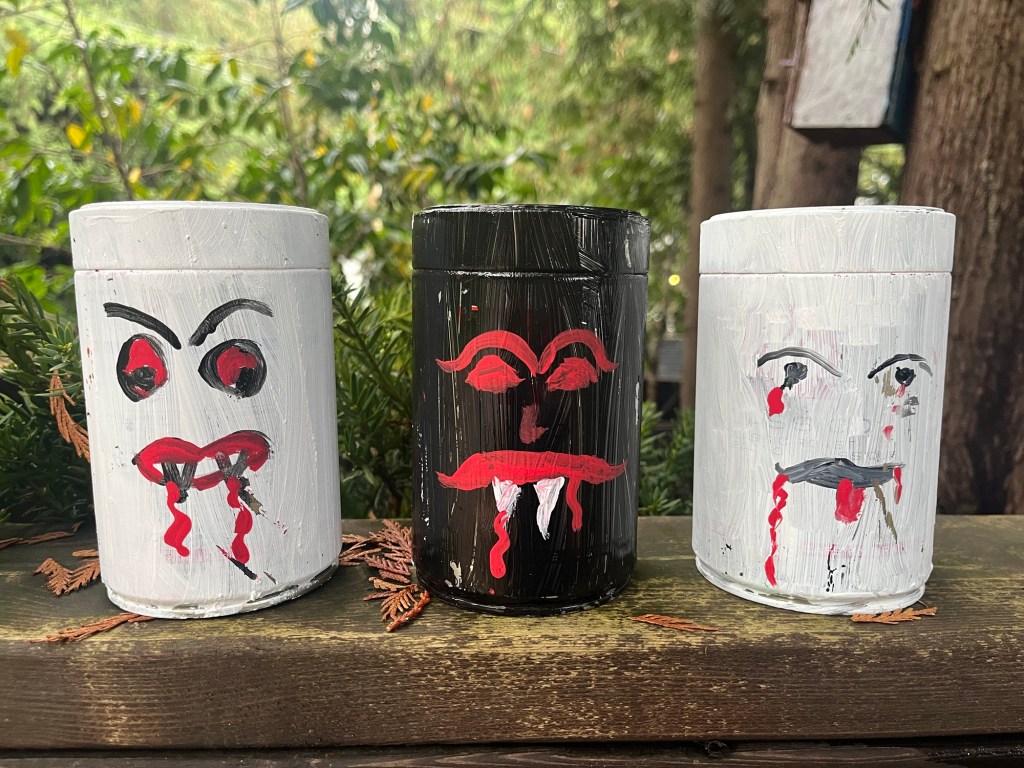
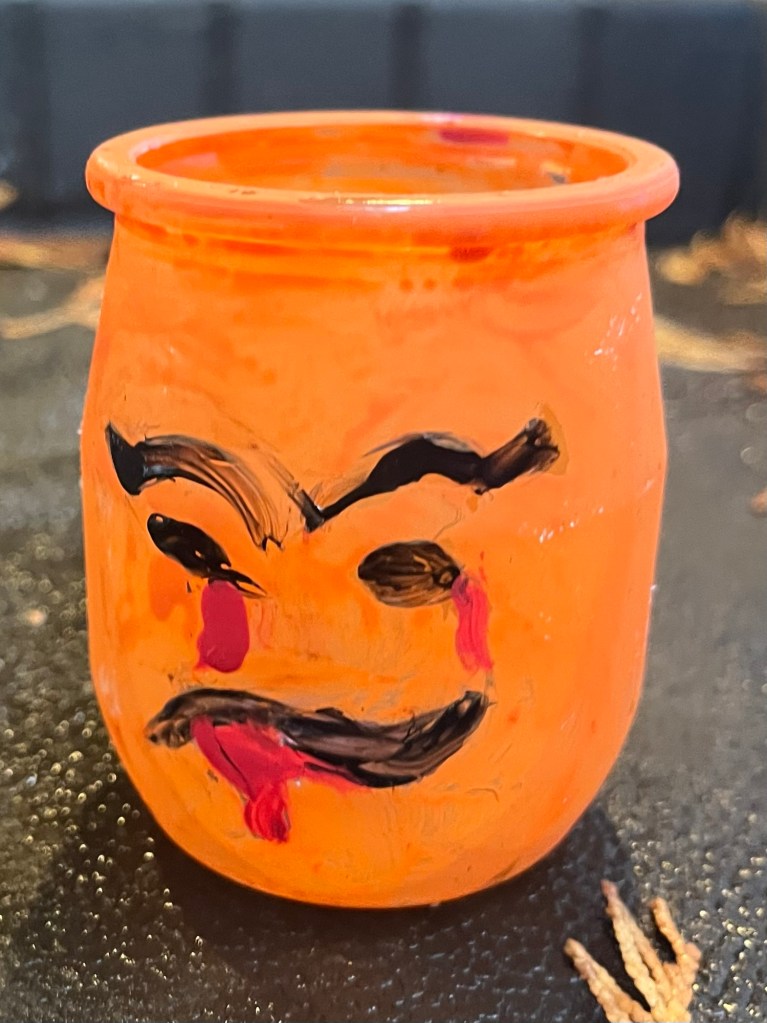
- Paint things you’d otherwise recycle: like these illy cans and yogurt containers that have also lasted us for years.
Conclusion
Halloween might beg for compromise, but it doesn’t have to mean completely ditching our eco-friendly values.
Happy haunting! 🎃👻



 Sustainable Steps
Leave a comment