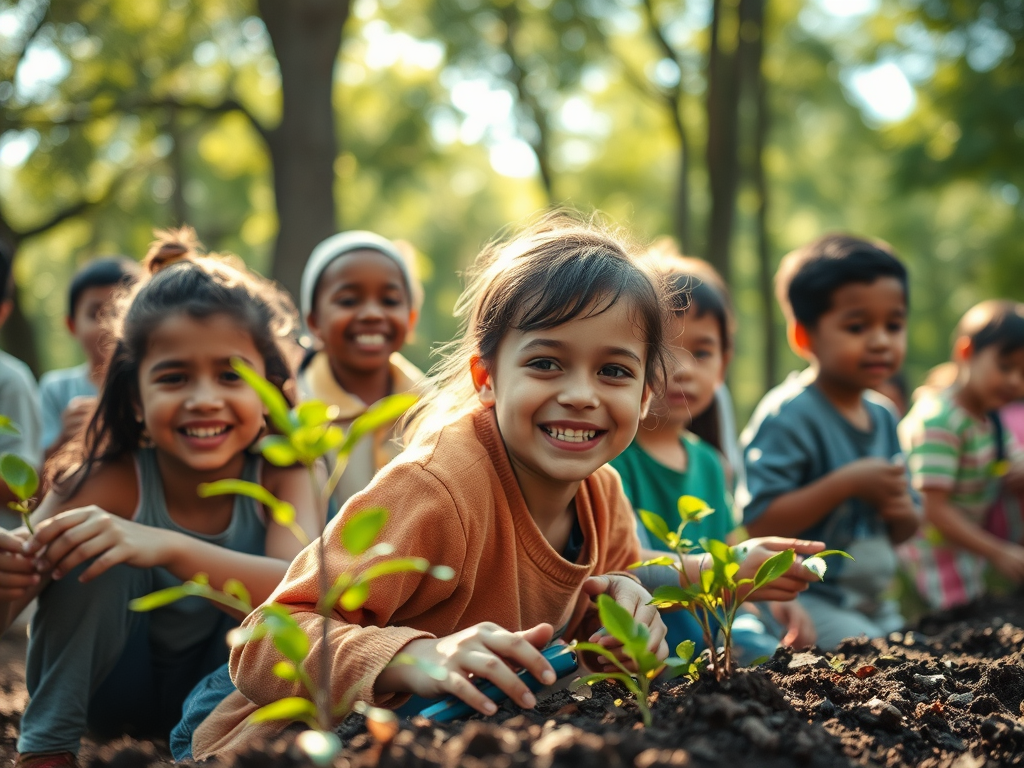
How to Help Kids Channel Their Climate Worries into Actions that Heal the Planet
I’m honored to be the first guest blogger on Sustainable Steps. As an author and former professor of gifted education, I’m always looking for new ways to reach kids and help them fulfill their potential. While reading this blog, I was inspired by how much it aligns with the growth mindset — and how we can use this philosophy to help children fight climate anxiety and climate change at the same time.
Kids are worried
There are real reasons to worry about young people’s worsening mental health.
Children and teens are terrified as they hear about school shootings, and they’re also frightened by natural disasters destroying people’s homes and communities. They’re horrified when they learn about increasing numbers of plants and animals becoming extinct because their habitats are being destroyed by plastic pollution. They’re heartbroken when they learn of yet another whale showing up dead on the beach.
They’re old enough to know how bad all this is, but they need our help to move past the worries and figure out what to do about it.
The Sustainable Steps Approach Is Growth Mindset in Action
Having a growth mindset means finding the learning opportunities in problems, failures, and even horrendous disasters like the increasingly severe wildfires, hurricanes, droughts, famines, and heat domes.
As Robin points out throughout this blog, none of us can single-handedly turn this around. Even if everyone worked together on proven solutions, we couldn’t change things quickly.
What each of us can do, however, is identify the small next steps we can take to reduce the harm, and maybe even make things a little better. You can help your family move from being part of the problem to becoming part of the solution, thereby addressing your child’s worries and making the world a bit healthier.
One of the best ways to help kids cope with their fears and anxieties is to show them how to move from a problem-focused fixed mindset to a problem-solving growth mindset. When a child is understandably stuck on, “Oh no! another hurricane!” help them move to, “I’m going to do what I can, one small step at a time, to take care of the planet.”
Some Small Steps You and Your Child Can Take Toward Sustainability
- Spend time outside with your child, and engage with them in their curiosity about the natural world. Spending time outdoors increases your child’s health, happiness, curiosity, creativity, and resilience, while it also helps them understand the vulnerability and interdependence of all species.
- Walk, ride a bike, take public transit. Where possible, look for alternatives to driving. Even if you have an electric vehicle, fewer cars on the road is more eco-friendly.
- Eat natural, whole foods. Help your child avoid putting chemicals in their body by
staying away from packaged and processed food. Help your child discover that rolled oats with honey and raisins tastes better and lasts longer in their stomach than most of the cereals they find in the cereal aisle, as well as being better for the planet by reducing additives and packaging. Maybe you want to increase the role of beans, vegetables, and whole grains in your family’s diet. In addition to being good for the planet, natural unprocessed foods are healthier and a lot less expensive. - Grow your own food. Even if you live in an apartment, your child can have a pot or a patch of earth where they grow some fresh herbs, maybe some basil to put on homemade pizza. Or you might find there’s a community garden nearby where you can grow some tomatoes or strawberries or something else your family enjoys eating. If you do have access to outdoor space, portion off a plot for your child to grow something they like.
- Avoid plastic. Plastic pollution is a serious problem in our rivers, lakes, and oceans. Many people are now remembering to take their own bags to the store in order to avoid single-use plastic bags. That helps. Try also to select items that use little or no extra packaging and to take your own cup when buying drinks to go. I look for non-plastic choices when buying toys and household items.
- Spend your money wisely. When you need something, look for ways to repurpose what you already have, or to exchange what you no longer need for what you need now. Most kids love to find a bargain or earn some extra money, so think about going to a thrift shop or having a garage sale, both good ways to get involved in the reduce and reuse parts of the recycling economy. When you decide it’s time to buy something new, support businesses that are as local, ethical, and sustainable as possible
- Support eco-savvy politicians. From the age of 7 or 8, most kids have opinions about political candidates. When politics is discussed in your family, ask questions about candidates’ positions on environmental issues. Help your child do the research and find out which candidates see sustainability as a priority, and which ones only pay lip service to it, or don’t see it as a top priority.
- Think globally. The United Nations has published a list of 17 sustainability goals. Robin describes each of these goals in her post on this topic. Depending on your child’s age, maybe they’d like to use those goals as the basis for a school project, perhaps choosing one of the goals and working out an action plan for their class or community.
Use a growth mindset approach to help your child take the small steps they can take to fight back against climate change. Show them how to transform climate anxiety into action. They’ll feel better about themselves, more confident and optimistic, and you’ll both be helping the planet.
I recently posted an article on my Psychology Today blog, where I wrote about the value of Robin Spano’s Sustainable Steps ideas in supporting children’s development.
Full disclosure: Robin is my daughter.

 Sustainable Steps
Leave a comment