I used to think microplastics were only an issue in seafood.
I used to be wrong. These tiny particles of plastic have been found in salt, honey, beer, and nearly every protein source, from animals to plant-based. The more processed a food is, the higher the microplastic content is likely to be. But even apples are in on the game. Plastic has found its way into nearly everything we eat and drink.
Since we are what we eat, they’ve also been found in people — in human lungs, blood, placenta, digestive systems — and in one study, every single sample of human poo.
Is it a problem to have plastic in our body?
Probably. It’s a new science, with studies still ongoing. Preliminary results suggest that YES, they’re pretty damn bad for us.
This Yale study talks about what we do and don’t know. They say that while we already know that ingesting plastics is bad for our respiratory system, we can suspect, based on what we’ve seen in marine environments, that “microplastics can disrupt reproductive systems, stunt growth, diminish appetite, and cause tissue inflammation and liver damage.”
A comprehensive study from the National Natural Science Foundation of China points out that microplastics are not only toxic themselves, but also carriers for pollutants to enter our bodies. This study links microplastics and their pollutants to metabolic disorders, immune imbalance, neurotoxicity, reproductive and developmental issues, DNA damage, and more.
The New England Journal of Medicine links plastics to heart disease.
And this Harvard article, while recognizing that the science is still preliminary, draws probable correlation between plastic ingestion and cancer risks — among all the other concerns already mentioned above. They also suggest that the plastics can bring antibiotic-resistant bacteria into our bodies.
So yeah, while the research continues, I’d like to minimize my plastic intake. I’d especially like to minimize it for my 8-year-old daughter, who might like to use her reproductive system one day.
Are microplastics bad for the environment?
Yeah, they really are. Everything they do to us, they do to animals, too — disrupting food chains and harming biodiversity.
Microplastics degrade slowly, contributing to long-term pollution in oceans, rivers, and soil. They get into the bodies of the creatures that eat them, and they find their way into the fruits and vegetables we eat through the soil Microplastics can also interfere with soil properties, affecting its structure and its ability to hold water and nutrients, resulting in reduced fertility and ultimately affecting food production.
What can we do? Isn’t this just the world we live in now?
Yes — but we can change that.
This is actually one of the environmental problems that’s seeing bigger and better leaps each day.
New laws are constantly coming in to reduce single use plastics, from shopping bags to drinking straws. New research is finding creative solutions daily, from plastic-eating bacteria — including this brand new “living plastic” that fully self-destructs (no micro or nanoplastic residue) in just 30 days.
I’m trying not to stress the things I cannot change (like all the plastic that’s probably in my body already) but I’d love to find a way to help move toward a world where food is safe — and plastic-free.
Our challenge is twofold:
- Minimize our plastic intake for the present.
- Take steps to reduce microplastics in the environment.
Those two steps really go hand-in-hand, since every purchase we make sends a message to corporations that this is what people want — and what we’re willing to pay for.
Let’s start with what to eat and drink today. What should I choose that has the least microplastics?
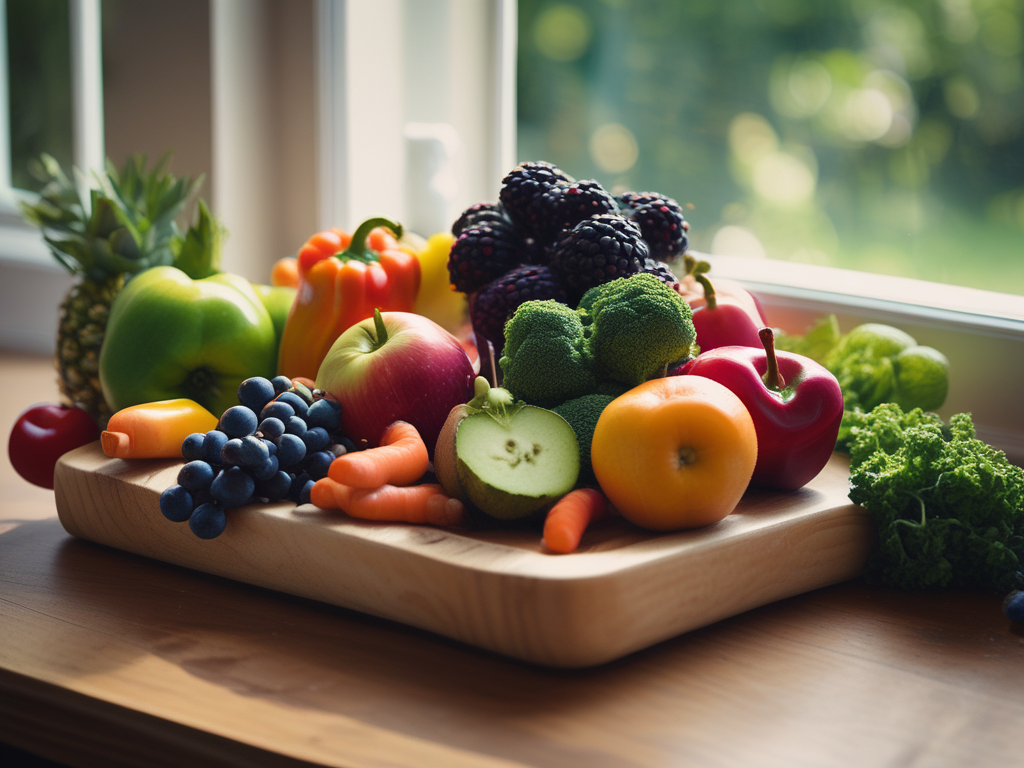
- Fresh fruits and vegetables (not apples, though!)
- Nuts and seeds
- Whole grains
- Chicken breast
- Tofu
- Freshwater fish — Studies have found lower levels of microplastics compared to ocean fish.
- Wine in glass bottles with real corks or screw tops — No point in saving the world if we can’t have creature comforts on our journey! — but not plastic corks
- Milk in glass bottles
- Tap water — filtered if you can find a plastic free way to do it
- Tea in loose leaf format, or from brands like PG Tips and Traditional Medicinal whose tea bags are plastic-free
- Chocolate with plastic-free wrapping — I love Alter Eco, but pretty much any brand that uses sustainable wrapping will also use pure ingredients to make delicious chocolate.
- Fresh bread from a bakery — You can bring your own cloth bag to keep it moist at home.
What food should I avoid — or at least be more cautious with?
- Processed Everything
- Anything packaged in plastic — The plastic sheds, like our skin does, into the food it’s allegedly protecting. This has been the hardest shift for me at the grocery store — there is soooo much plastic on things — and not even close to all the way there. But I’m taking steps — more each time I shop — and I’d love to hear your tips in the comments about how to make it all the way to plastic free.
- Anything heated in plastic — like the microwave, or sous vide cooking
- Apples — annoyingly, these have been found to have very high levels of plastics
- Beer — Of all beverages, beer has the highest plastic concentration. I love beer — especially local microbrews — so stay tuned for a blog post about brands that defy this trend.
- Bottled Water
- Instant rice — All rice has some plastics, but instant is the worst.
- Tea bags from most companies — Try loose leaf tea as an alternative, or plastic-free brands like PG Tips. (I’m planning to write a post all about tea pretty soon.)
- Wine with polyethylene stoppers — Aim to buy bottles with screw tops or traditional corks.
- Salt — I’m sad about this one. With my healthy heart and low cholesterol, I was smug about being able to salt my food with reckless abandon. But with the ocean so contaminated, sea salt has plastic in it now too. (I won’t eliminate salt, but I’ll consider it more carefully now.)
What can we do to reduce plastic in the environment?
- Drive less — One study pointed to tire dust as the culprit for 78% of microplastic particles found in the ocean. Electric cars are better on the fossil fuel front, but they’re heavier than their ICE counterparts — which results in more plastic dust.
- Avoid food that’s packaged in plastic. Not only is it good for your immediate health, but the less we accept it (aka pay for it), the faster companies will shift to alternative packaging.
- Use silicone bags (I love the Stasher brand) instead of disposable (Ziploc) bags. The jury is out about whether silicone is as food safe as we initially thought, but it’s reusable, which is several steps ahead of one-time plastic.
- If you do cook sous vide, silicone (Stasher again) is a much safer solution than plastic.
- Never microwave your food in a plastic container.
- Bring your own cup to coffee shops — that lining that keeps the take-out cup waterproof? It’s full of microplastics that the heat of your drink invites to leak into your coffee. This U.K. blog post says it well. It’s also plastic waste for the environment.
- If you have kids (and want unbreakable dinnerwear), opt for stainless steel, wood, or silicone.
- Chop your food on wood, bamboo, glass, or marble cutting boards — anything but plastic.
- Bring your own straw (silicone or metal), and cutlery on the go.
- Recycle plastic products. It can be a pain to dispose of soft plastics — where we live, we have to drive them to a depot half an hour away — but properly recycling plastic reduces the plastic waste that ends up in the environment.
- Replacing a carpet? Avoid synthetic carpets — they create microplastic dust, and often have a toxic Teflon protective layer — and opt for carpets made from natural, renewable, biodegradable fibres, like wool, hemp, and bamboo.
- Buy clothes made of natural fabrics. Synthetic fabrics, like polyester, release microplastics when you wash them. These end up in the ocean (and the soil in our case, since we’re on septic). Instead, choose natural fibers, like hemp, GOTS certified organic cotton, bamboo, Tencel, and other fabrics that look and feel more dreamy to wear anyway. Here’s a list of my favorite sustainable clothing shops.
- Try to get the laws changed. The laws are constantly moving in the right direction on plastic use. Politicians are awake to this problem and very likely receptive to new ideas they can easily implement. Write a letter to your local politicians that make specific suggestions for regulations that govern plastic production and waste management. (Speaking of which, I should probably write a letter to my municipal government suggesting we implement a curbside soft plastic pickup — not all my neighbors are willing to drive theirs half an hour to London Drugs or the recycling depot.)
- You can also write to the companies that make your favorite products. Let them know what you love about their brand. Let them know what would make you feel even better about continuing to buy them.
Takeaway
Don’t beat yourself up because you can’t do it all at once. I’m not — my life is full of compromises.
One of my daughter’s and my favorite snack foods is called Spread ‘Em. It’s a cashew-based spread that’s a little like cream cheese, but with way more goodness and flavor. They use whole, plant-based foods, minimal processing, and every ingredient is sourced with the workers and the planet top of mind. Amazing product. But wrapped in plastic. This hits the yes list for us — it’s plastic that my conscience allows me to buy because the company gets everything else right. (And my strong guess is that if they could find a way to package it plastic-free to retain the quality, they would.)
What I am trying to do is take one step at a time — and making it permanent. I’m moving in the direction of plastic-free, but not stressing perfection in a world that isn’t there yet either. The more of us who take these small steps in our daily lives, the faster we can work toward a world where we can eat freely — without wondering how much plastic is on our dinner plate.
Want to see how hard it would be to consume no plastic at all? Check out this video!

 Sustainable Steps
Leave a comment